Showing posts with label Homes. Show all posts
Paris apartment of Ivan Miplera
Visiting Paris apartment of Ivan Miplera, creative director at Diane von Fürstenberg, is like a visit to a parallel woprld – it gives you a strange impression of space and it has been equipped by the designer itself.
Having been inherited, the apartment is situated on one of the side streets of Paris near Canal Saint-Martin. It was built in the late XIX century and it was in a general good condition. The biography of the place states that for a while the apartment belonged to a circus school.
”I wanted it to look chic and modern, but quite unusual – surreal.” says the owner.
The huge black cube with faceted surfaces hides the kitchen area.
“I like modernism, so, I wanted to have a modern apartment – he explains. – But I don’t like the cold materials associated with this style. So I chose hand-made, warm and luxurious things. My apartment is a cozy and quaint little nest where I can escape from the bustle of Paris.”
Extruded Polystyrene (XPS): Improved Wall Performance
A building's wall system must constantly fight the invasion of rain, air, vapor and thermal attacks.The wall's ability to provide a barrier to each of these elements relies upon the use of appropriate materials, installed in the correct sequence. There is no such thing as a perfect wall system; however, a wall system that performs with greater efficiency using new efficient materials is achievable.
Steel stud wall construction, even though it is a versatile system, presents a set of challenges that are different from those of wood frame construction. Two major problems exist with steel stud walls that need to be managed: control of moisture and thermal conductivity. As an example of thermal conductivity, steel studs can transfer heat approximately 400 times faster than wood studs. Additionally, when insulation becomes wet, it will decrease the wall system's R-valueas well as contribute to mildew development inside the wall. “R” refers to the resistance to heat flow. As the R-value or RSI number increases, the resistance to thermal transfer becomes greater. RSI is the metric equivalent of the R-value.
Many years of research and study have gone into all the components of a wall system, and this research will continue for years to come. As a result of our better understanding how rain, air, vapor and thermal issues affect a conditioned interior space, many products have been improved upon and new innovations have emerged to provide a more effective wall system. With a finite supply of fossil fuels and greater awareness of energy conservation, the need for a more thermally efficient wall system has become important. As such, a greater emphasis has been placed on the role of insulation and its location within the wall assembly. The need to design energy-efficient buildings that are still economically feasible to construct has become imperative.
Extruded polystyrene insulation, also referred to as XPS, installed as an exterior insulating material and as part of the metal stud wall assembly, has been shown to provide a far more efficient system than fiberglass insulation. Eliminating thermal bridging issues and at the same time resisting moisture, XPS is an ideal solution that should be considered for any metal stud wall system.
Metal Stud Wall System Anatomy
Concrete masonry units (CMU) have long been considered the ideal backup material for brick facing; however, because of increasing installation costs, CMU backup systems have given way to metal stud backup systems. Brick veneer with metal stud backup walls, because they are a very cost effective and versatile wall assembly, are very commonly seen in today’s commercial buildings. The original exterior metal stud wall systems of the 1970’s were simple. They consisted of metal studs at 16 or 24 inches on center, with fiberglass batt insulation having an integral vapor barrier placed in between. Gypsum board sheathing was placed on each side, and 15 pound felt paper was installed over the exterior sheathing. This system eventually would fail and allow air and moisture to enter the building, degrading the insulation and thus the R-Value of the wall, not to mention causing other significant problems.
The Brick Industry Association (BIA) has issued a revised Technical Note #28B that describes in detail Brick Veneer/Steel Stud Wall Construction. The following is an abbreviated summary of their minimum recommendations:
The allowable out-of-plane deflection of the studs due to service level loads should be restricted to L/600 to L/700.
The minimum air space should be increased to 2 inches.
Ties must be spaced closer. There should be one tie for each 2 sq ft (0.18 sq m) of wall area.
Sheathing should be upgraded. Possible choices include: closed-cell rigid insulation meeting ASTM C 578 or C 1289 at a minimum of 1/2" thick; exterior grade gypsum sheathing, OSB or glass fiber mat-faced sheathing or cement board at a minimum of 1/2" thick.
A water-resistant barrier should be installed over sheathing.
Brick veneer with metal stud backup is typically a vented wall system. This is to provide a way out for any moisture that enters the wall system through the brick joints or other openings. A vented cavity also allows for pressure equalization of external pressures caused by wind loads. Venting is accomplished by providing weeps or vents immediately above the wall flashing. Open head joint weeps are recommended with a spacing of no more than 24 inches on center. BIA recommends that wick or tube weeps, when used, be spaced no more than 16 inches on center.
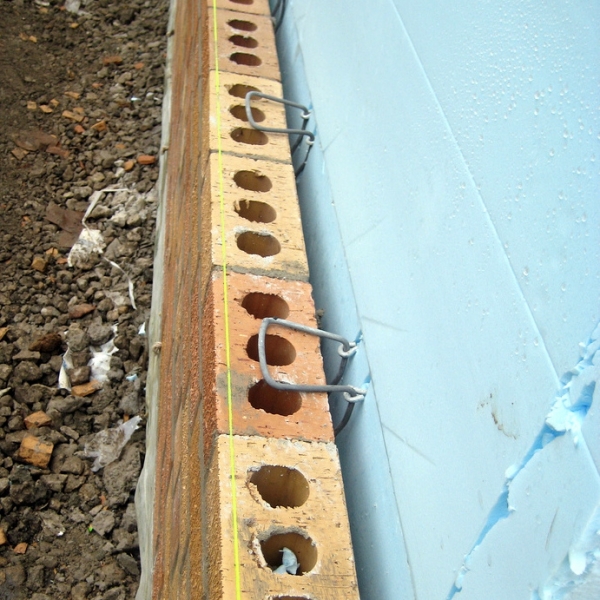
BIA recommends four types of adjustable masonry anchor assemblies for brick veneer/metal stud systems. Each of these is connected to the studs with metal screws. Due to thermal bridging at the stud, condensation can form on the inside face of the stud’s outside flange during long term cold conditions if a thermal break is not provided. When using XPS as part of the exterior system, brick ties that connect directly to the framing must not rely on the compressive resistance of the exterior sheathing material to transfer positive wind loads to the steel studs. This will eliminate the thermal bridge issue at brick ties. All anchors must be embedded at least 1 1/2 inches into the brick veneer with a minimum mortar cover of 5/8 inch to the outside face of the wall.
Improve Wall Performance: Design Options
As long as there is a temperature difference from one side of a wall to the other, heat will transfer from warm to cold. As the thermal resistance in the wall increases, the rate of heat transfer will decrease.
By incorporating a moisture resistant thermal barrier on the exterior side of metal studs, many moisture and thermal issues can be better managed. Extruded polystyrene insulation is specifically designed for wet locations, and yet provides excellent thermal efficiency as a part of the wall assembly. It is the closed-cell structure of the insulation boards that helps resist water and water vapor. For every inch thickness of XPS, an R-Value of 5.0 can be expected. XPS boards come in thicknesses ranging from 1 inch to 3 inches, many with a shiplap edge treatment on the long side. No matter the edge condition, all joints between the insulation boards need to be sealed as recommended by the manufacturer. This is typically done with a butyl type insulation tape.
Detailing and constructing a metal stud cavity wall system using XPS insulation boards can be done in one of three possible ways. In each of these cases, the steel stud wall system is either 4 or 6 inches, with brick veneer and a 2 inch air cavity as the exterior finish system:
Interior and exterior gypsum sheathing on each side. Uninsulated stud cavity. Continuous XPS insulation board over an air barrier membrane covering the exterior sheathing.
Interior gypsum board sheathing only, no exterior sheathing. Uninsulated stud cavity. Continuous air barrier membrane over XPS insulation board attached directly to the metal studs. The steel stud wall assembly will require additional bracing.
Interior and exterior gypsum sheathing on each side. R-11 batt insulation in wall cavity. Continuous XPS insulation board over an air barrier membrane covering the exterior sheathing.
Installation Best Practices
It is critical to install XPS correctly in order for the wall system to function properly. Insulation also provides the necessary comfort for the buildings occupants.
Wherever there is a thermal bridge in the wall system, condensation will occur on the surface where the temperature differences between the interior and exterior are greatest. When fiberglass batt insulation is installed between the metal studs, the exterior flange of the metal stud behind the brick veneer will be exposed to the colder temperatures. The low R-value of exterior sheathing material is not sufficient to eliminate thermal bridging at these locations. In this case, the exterior flange of the metal stud will be subjected to condensation. Brick veneer ties are the weak link, providing a short circuit for thermal bridging. All brick ties are connected to the metal studs by way of metal screws. Approximately two threads of these screws will grip the 16-gauge outer flange of the metal stud. With repeated condensation, rust and corrosion will begin to develop at the juncture between screw and stud. After several years, the brick veneer anchors could begin to fail, resulting in excessive brick movement and cracks forming in the mortar joints. This will allow additional water to infiltrate the building envelope.
A relatively easy solution to this problem is installing a continuous layer of XPS board to the exterior sheathing. When as little as 1 inch of XPS board is installed to the outside face of the exterior sheathing, which also prevents thermal bridging, the temperature at the interior gypsum will increase. A vapor retarder is still required, and in this case it is located between the exterior gypsum board and the XPS. An important step to preventing moisture from forming as condensation in a wall is to keep the wall cavity warm. Thermal bridging will increase the chances of condensation and thus reduce the R-Value of the batt insulation by as much as 50%.
Common Construction Pitfalls
Common pitfalls in designing and installing the thermal barrier include incorrect location and the creation of voids in the thermal barrier. Other problems include installing other materials that create a short-circuit or thermal bridge at the insulation layer.
As an example, if the XPS boards are installed incorrectly, leaving gaps of up to 3/4 inch between uneven edges of the insulation, the overall R-Value of the wall system will drastically be compromised. Tight fitting edges and corners are essential as well. Cut outs for masonry anchors are another problem that needs to be avoided. Correct masonry veneer anchors must be used.
Conclusion
Metal stud backup wall systems offer a cost-effective and rapid way to enclose a building's exterior walls. They are also proving to be reliable alternative to traditional CMU back-up systems. With proper detailing and construction, the metal stud wall can perform successfully for many years. The performance of the building’s wall enclosure depends on the proper installation sequence, clear detailing of each of these barriers, and on the ability to provide proper ventilation of concealed building materials to allow for adequate drying from occasional moisture exposure, without deterioration ormold contamination.
design of concrete domes
A beach front style home on a barrier island in Florida. Survived Hurricane Ivan generating great interest in domes. The ground floor is all garage and designed to let a storm surge pass through with little or no damage. This was a joint effort between myself and Jonathan Zimmerman, the San Francisco dome architect who came up with this beautiful concept with lots of input from Siglers. I did the rendering in Bryce5, the model itself in ArchiCAD. See the owners website, very interesting. See more domes in the Architectural Gallery.
The Sun-Sentinel article
from Sunday, 14 Nov. 2004
We visited the site on Nov. 9th, 2004, several months after the storm. Mark Sigler is in the blue shirt, Loi on the left and me in the middle. The double curved stairway is gone, ripped away by the 18' storm surge. It was designed to do just that as was the the garage floor slab. A lot of houses were swept completely off their pilings and deposited hundreds of feet away. Some have obvious physical damage. Many have blue tarps over the roof. Three to six feet of sand was washed away from under the houses. Mark has already had sand brought back in. Houses that appear to be unaffected actually have extensive water damage to the interior sheetrock, carpeting and so on, because rain was forced in through the roof vents. Setting like that for a few weeks brings on the mold. They will all need to be gutted and redone inside. The destruction is unbelievable. The dome performed as expected. If utilities were turned on it would be livable as is. Mark will replace the vinyl floor tiles on the first floor. In the right light you can see the edges have curled slightly from exposure to water.
Pensacola Beach virtually destroyed,
but Dome of a Home still stands!
Hurricane Ivan Report From the Dome of a Home
by Valerie Sigler
September 17, 2004
Mark's decision to stay in the Dome of a Home with the news crew from MSNBC during category 4 Hurricane Ivan was a testament to his faith in the structure that we had built. Kerry Sanders, the MSNBC correspondent, had been reporting on hurricanes for twenty-one years. He also felt confident in the engineering and design of the home. As I stayed in contact with Mark throughout the evening as Hurricane Ivan approached, he expressed surprise and delight with how well the structure was responding. Live coverage was broadcast on MSNBC until the equipment succumbed to the storm.
2:30 AM -- The eye of Hurricane Ivan is now making landfall. Pensacola Beach is in absolutely the worst position (upper right hand quadrant - east) as the storm arrives. Most of the MSNBC crew is asleep. Asleep? I guess that is testament to the confidence the crew had in the home and the fact that the noise from the storm was not unbearable. Mark is awake listening as the wind intensifies and the water is crashing across the island. The storm surge and rain caused five feet of water to rise underneath the dome. Mark says he can hear debris crashing into the dome, but does not feel any movement of the dome from the surging Gulf although the water is flowing over the entire island. Although he has no visual confirmation, he said it sounds like there are tornadoes howling around the island. The most unnerving sensation is the realization that there is no land until you reach Gulf Breeze.
7:30 AM -- Daylight has brought devastating visuals of a storm whose damage far exceeds that of Hurricane Opal in 1995.
The Dome of a Home has maintained its structural integrity! Everyone is safe and the home will be livable again with some necessary repairs. We did have wind driven rain leak through the windows and flood the floors. The good news is that the dome is still standing, albeit with some exterior damage from the staircases that were ripped away by the waves. The geo-thermal system is damaged, the fences gone, and the garage concrete floor has disappeared.
Mark has been traipsing across the island and says that the devastation is extensive. All lower floors are gone with the blow-out walls doing exactly as designed -- being blown away, literally. It seems evident the entire beach was covered with at least 5 feet of water. All of the garages and their concrete floors have disappeared. The Catholic Church's roof has sustained much damage and the school looks like it has been hit hard. Homes that were older and still on the ground level have basically vanished. The surge has subsided on the Gulf side, but the Sound side of the island is still under waist deep water.
Read the report filed by the MSNBC reporter, Kerry Sanders, that rode out the storm in the dome with Mark.
Outdoor Kids’ Play Houses By Soulet
We hope all dreams come true for our lovely kid. Our kids always love playing and having a special space set aside related to them, especially those who have the privilege of having courtyard or even a garden in their house. They are always trying to build a tent or a very lovely play house. Soulet gives you an opportunity to create a wonderful present for them, by giving them a bright and solid play house. Soulet offers a lot of different and inexpensive kids’ houses. They all are made from wood and painted in various warm colors, especially bright colors to attract your child to it. Like a real house they have small gentle windows and doors. Some of Soulet’s products are decorated by famous multiplication heroes or are engraved with a hillock like Pooh. Even though such houses aren’t big, they’re more than enough for your kids and their friends to have a lot of fun while playing there. It is really a very nice idea to be able to create a play house that your child and his friends will all be able to enjoy.
Social Housing. El Nodo. Avilés
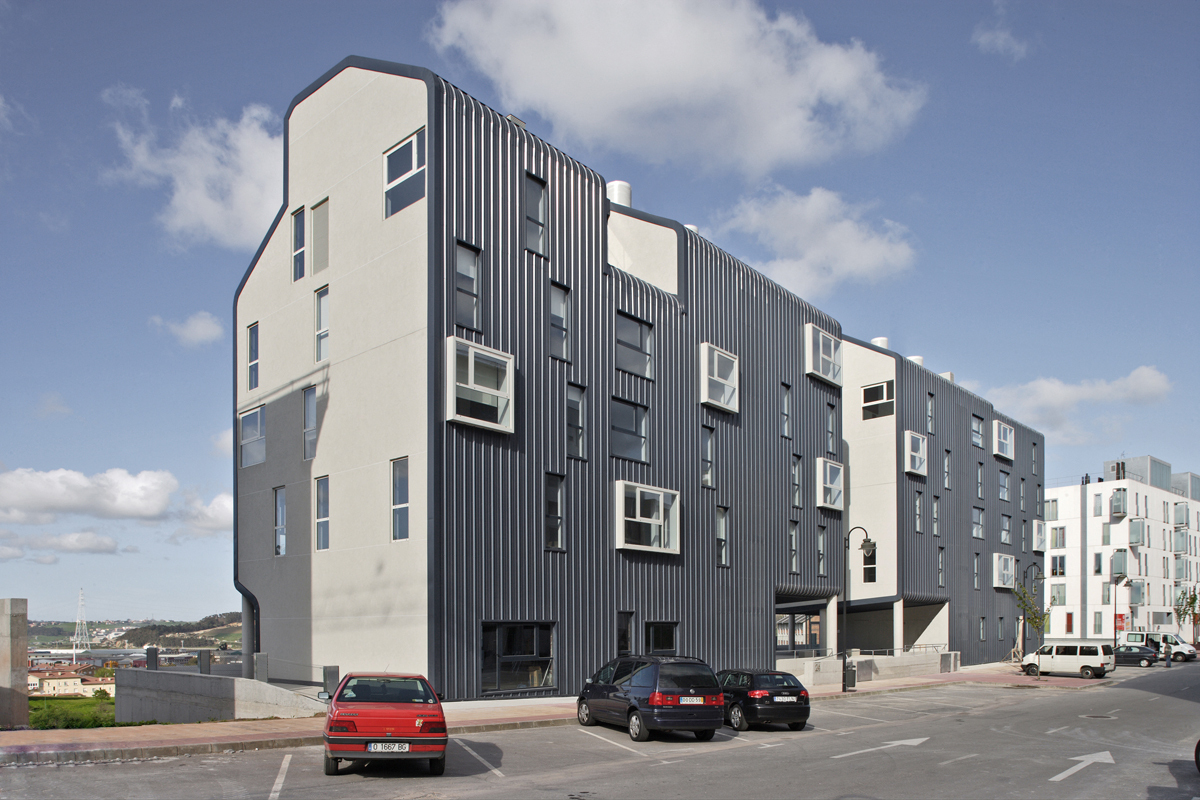
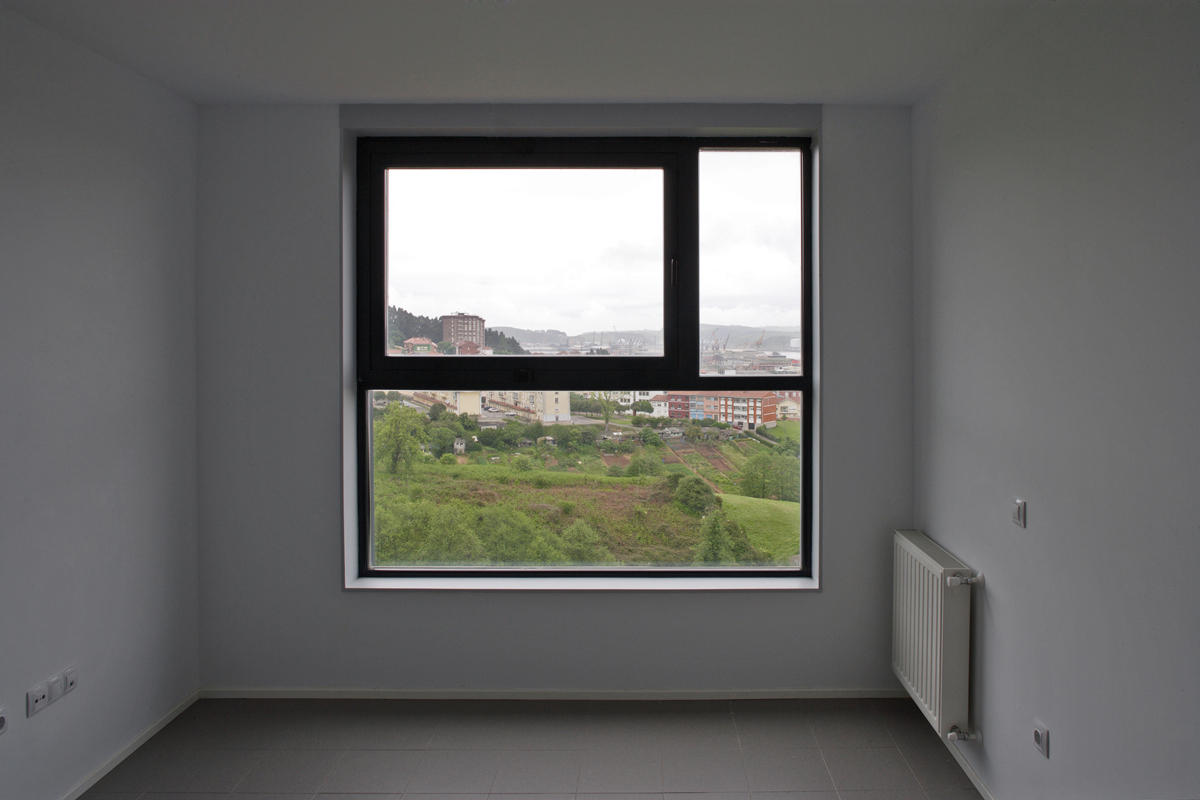
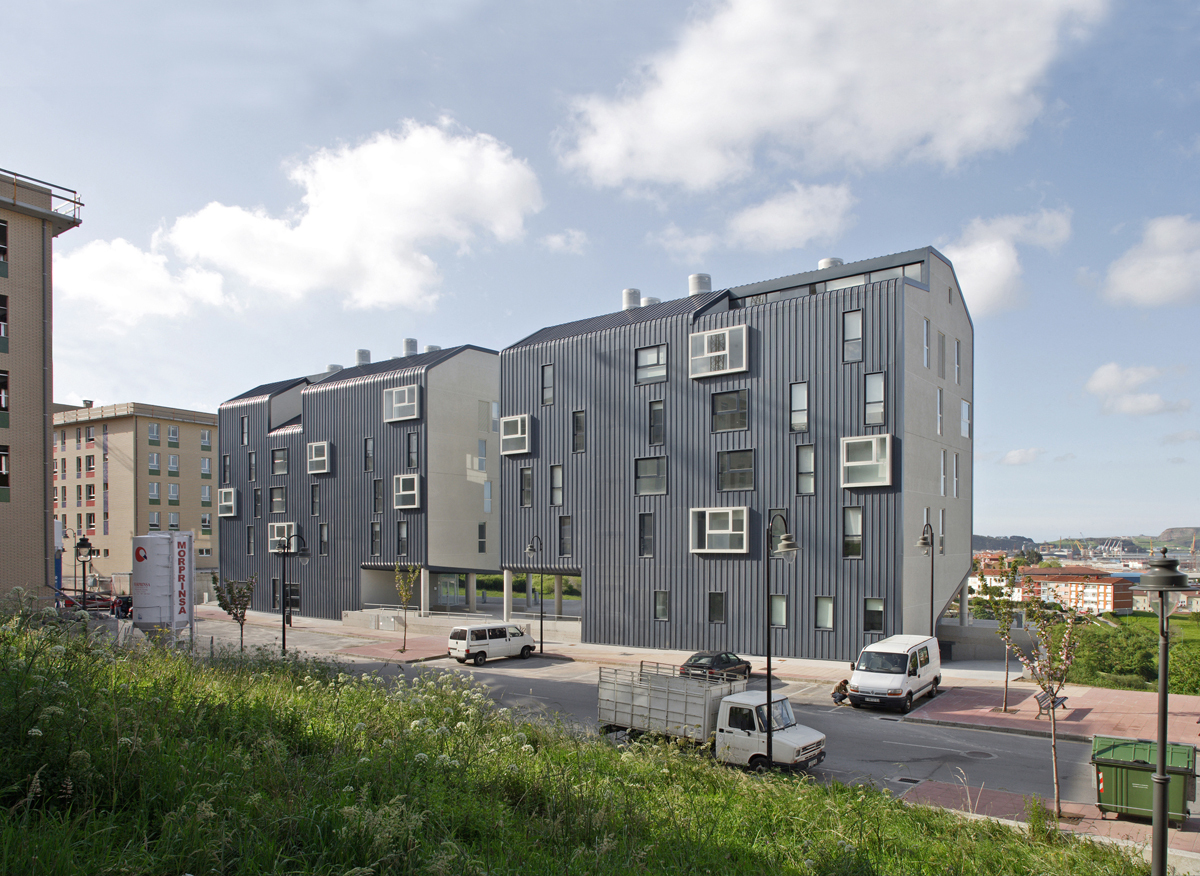
In a privileged place, at the end of a green meadow on the top of a hill and with the Avilés estuary on the horizon, two small metallic objects stand still upon a concrete basement and stare at the spectacle before their eyes. Dressed in a tailored suit which covers their head and torso, they protect themselves from the unpleasant rain and see the time going by.
As expressed in the previous paragraph, from the beginning of the project we considered the quality of the surroundings and wanted to treat the buildings as if they were almost “alive” and could express the sensations that the place provoked in ourselves.
The plot is situated at the edge of a steep slope and the urban regulations determined we should set up two blocks sharing a common basement, but each with a slightly different built area. This seemed to us interesting, so that we could design two pieces with the same language, almost identical but different at the same time.
The project idea is all about the covering, the skin, which folds to configure the building personality. In a city with a strong industrial character, we found steel very appropriate, as a tight sheet that gets torn to create windows and balconies, to open itself at the top to the surroundings through big windows that look, as eyes, at the meadows and estuary.
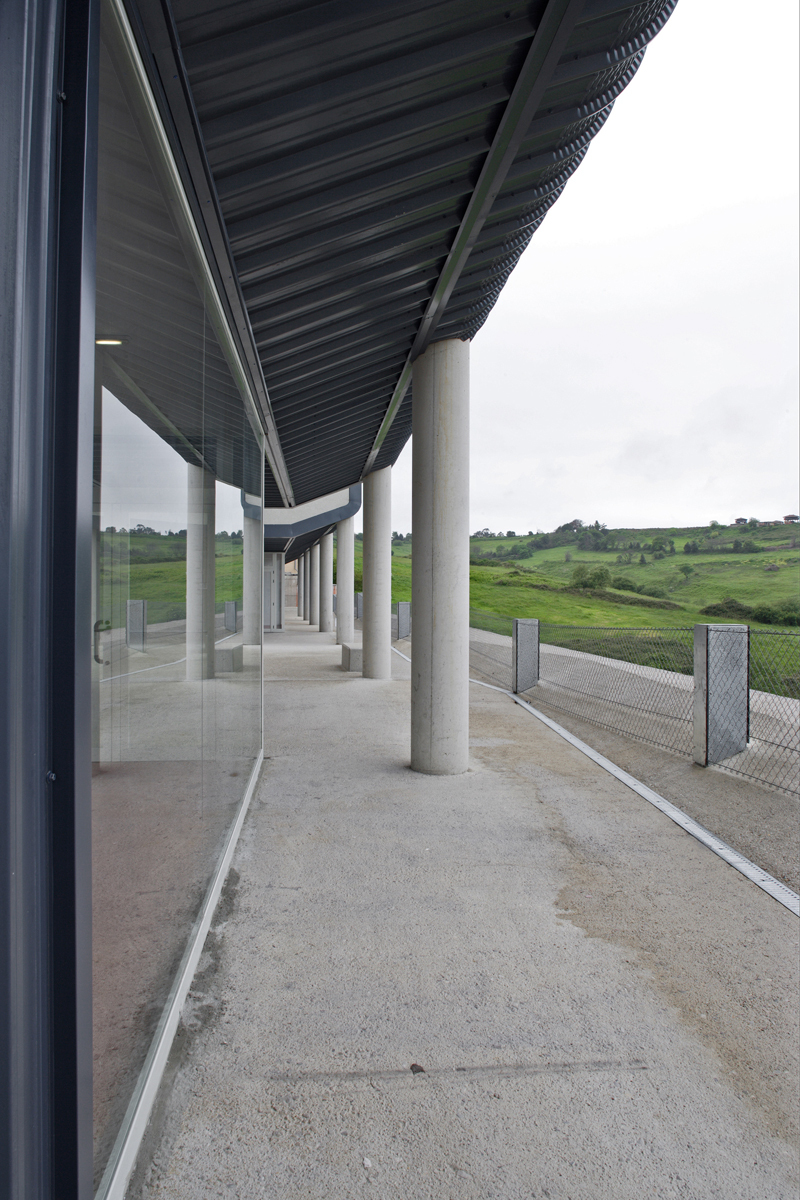
We designed an only and common access to both blocks just in the space between them, with the tension that provoke two things that are very close each other, and as a meeting place for the neighbours. The access level is slightly higher than the street and conceived as a semipublic square where people can stare at the landscape or talk sitting in the benches protected from the rain.
The flats are distributed quite uniformly through all levels. We tried to compact the intermediate floors to get as much free space as possible in the ground and higher floors. So, we get a bigger square in the ground floor with covered areas under the blocks and, in the highest floors, the two-storey houses allow to make the building less dense. Is there where the outer skin loses its opacity and steel becomes glass.
Each block has a staircase whose appearance from the exterior is minimized by using the same steel sheet, but perforated. During the day it looks as the rest of the façade but, at night, light comes out through the steel and its presence becomes more important.
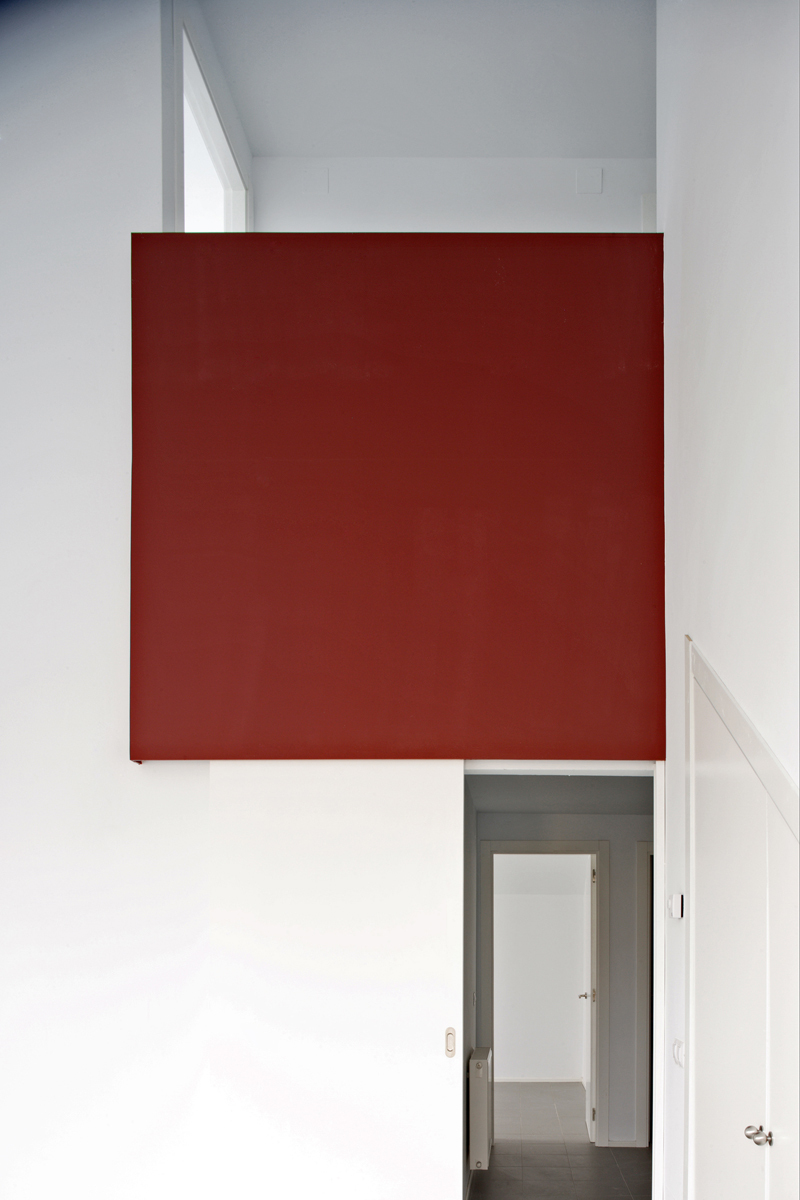
The houses interiors have a simple distribution, with windows from the floor to the ceiling, proportioned to each room and which allow the sight of the landscape. In the living rooms these windows step outwards the façade line and become glassed balconies where you can sit and stare. The wet rooms and technical columns are located in a compact strip around the access corridor, while the living and bedrooms are put on the outer strip next to the façade. In the highest floors the space seems to expand as we get two-storey living rooms where you notice the continuity of façade and roof.
The buildings get anchored in the ground by a concrete basement which contains the parking and lumber rooms and forms the access platform. Upon it settles itself a light metallic skeleton that allows the façade flexibility. The perimeter pillars get reduced to fix into the outer wall and allow the free position of the inner partitions.
About the materials, we also chose simplicity. Steel sheet with a special sea-climate-proof coat, and outdoor Aquapanel for the side facades. The outside pavement is made of washed concrete while the perimeter fence is solved with a double simple-torsion galvanized net.
After all, we realized that our aim was to make things that could be useful for the users: an Access area with benches to sit and talk, big windows to enjoy the natural light, read comfortably, balconies to sit and stare at the landscape, a structure that allows the free spatial distribution…. That is, details that make architecture more friendly.
Status: Built
Location: Avilés, ES
Role: Architect
Additional Credits: MANUEL MARTÍNEZ MANSO / FLORENTINO SIÓN
technical architects
ROBERTO MONTERO DE LA LOSA
mechanical consultant
JOFEMAR S.L. JOSÉ LUIS GUTIÉRREZ
structural consultant
MIGUEL DE GUZMÁN
EXIT ARCHITECTS
photopgraphs
SOLIUS S.L.
general contractor
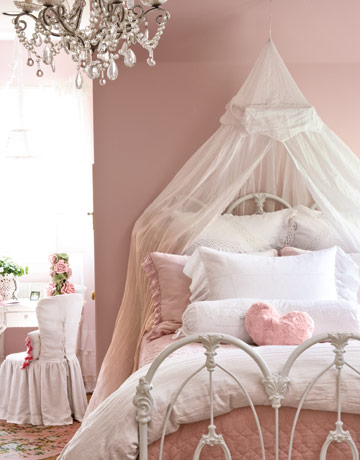
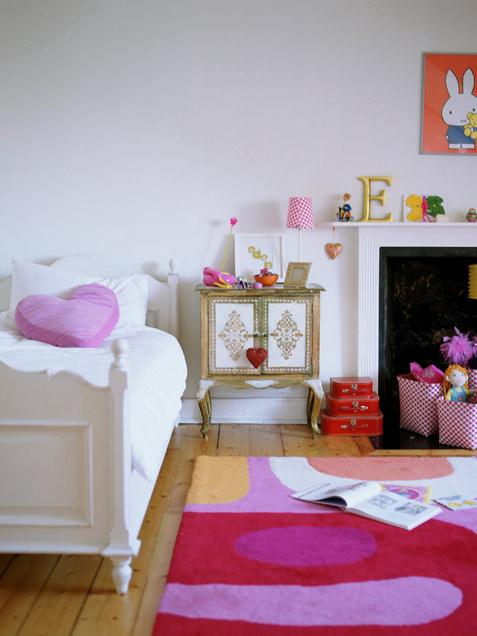
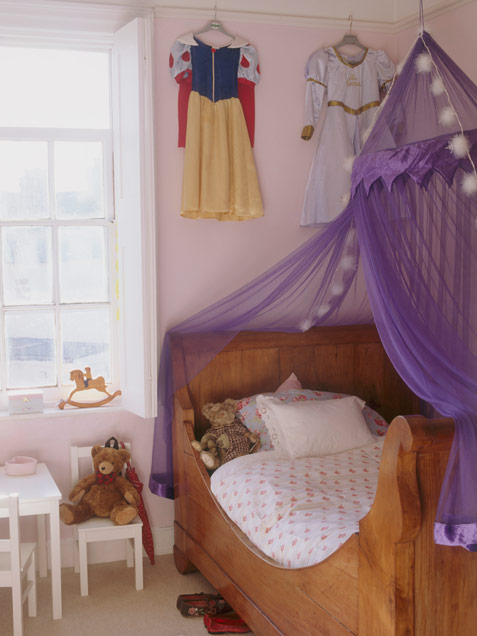
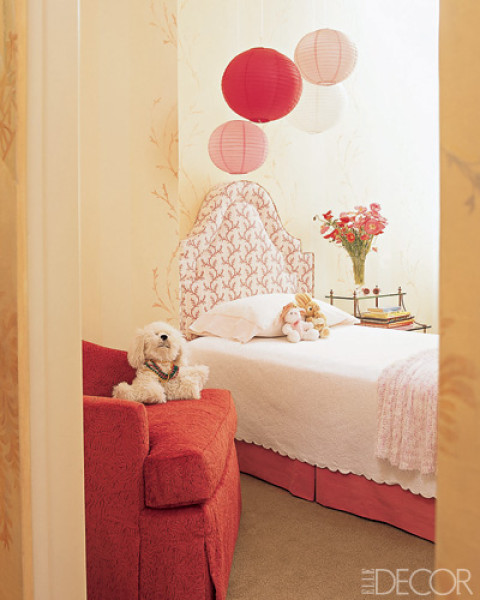
33 Wonderful Girls Room Design Ideas
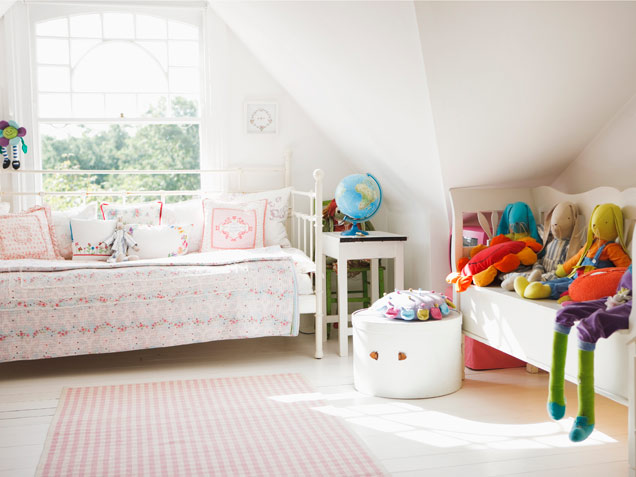
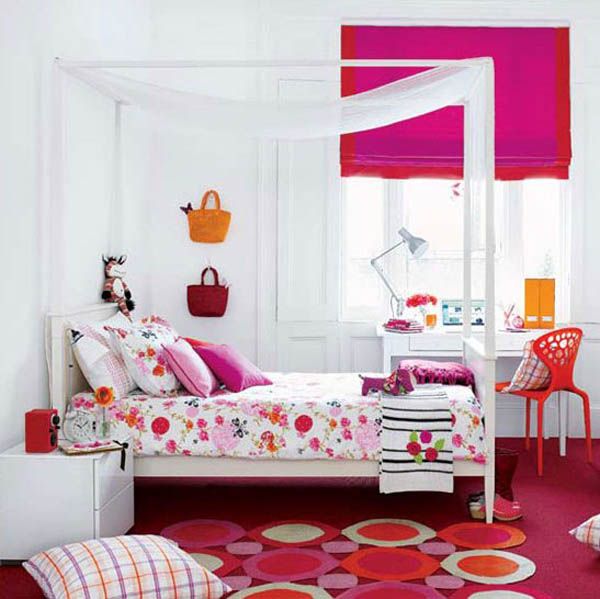
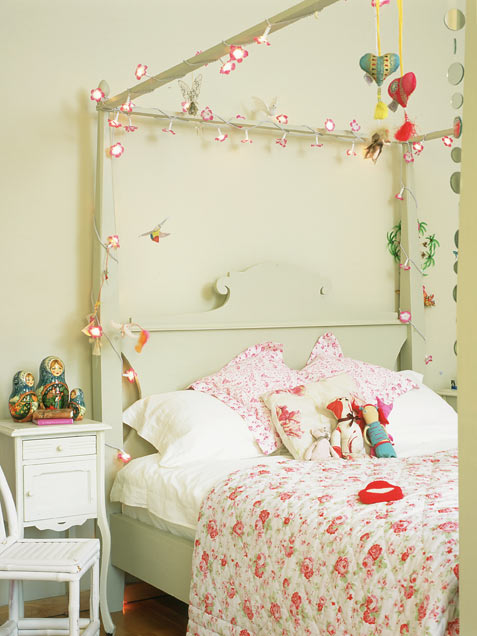
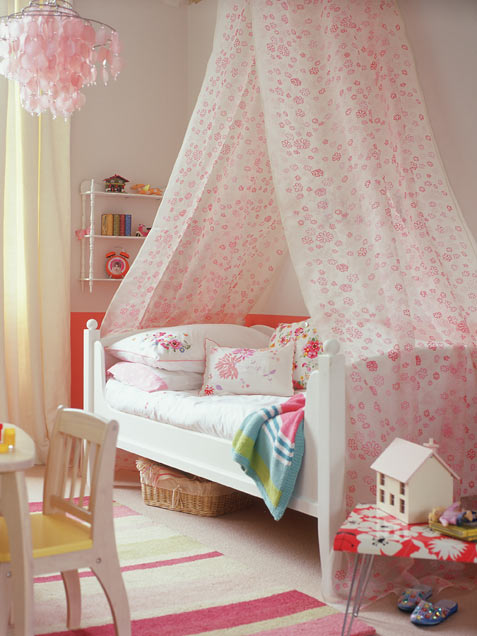
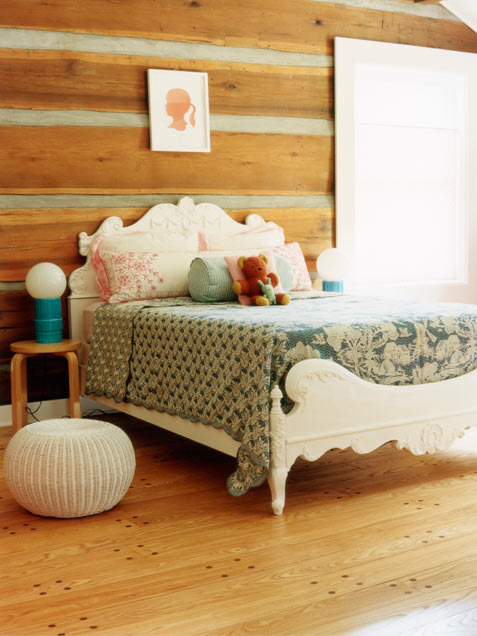
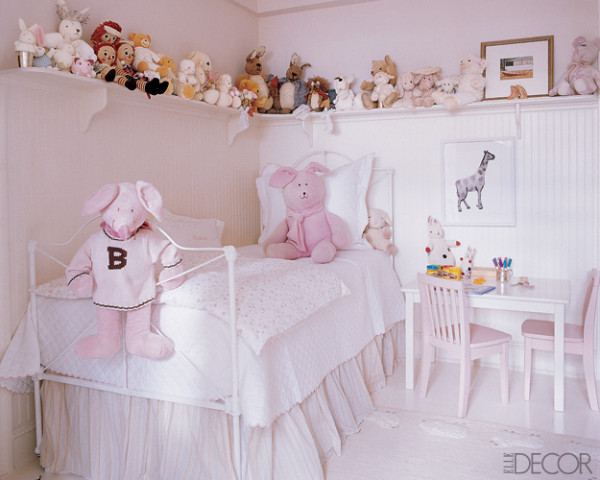
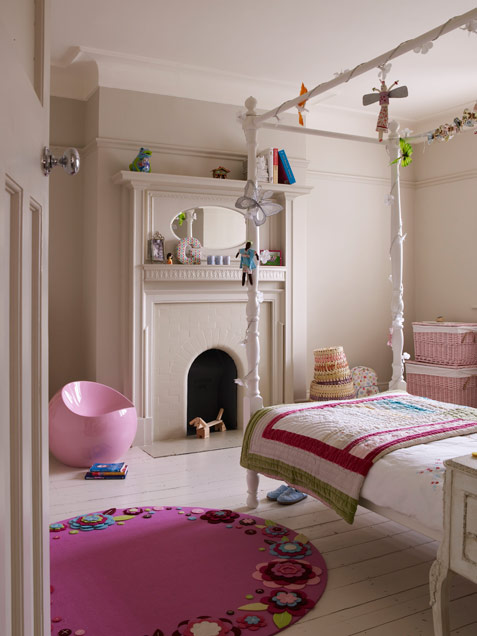
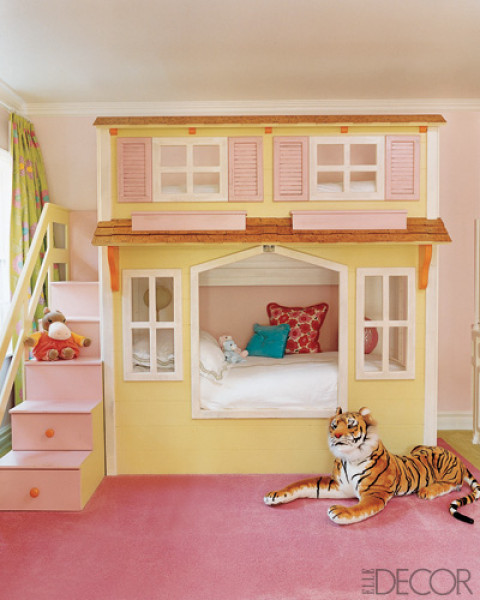
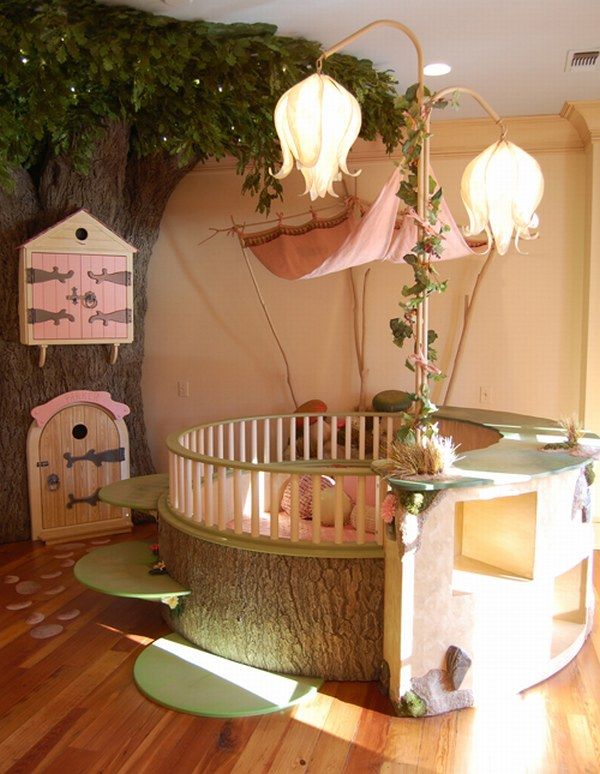
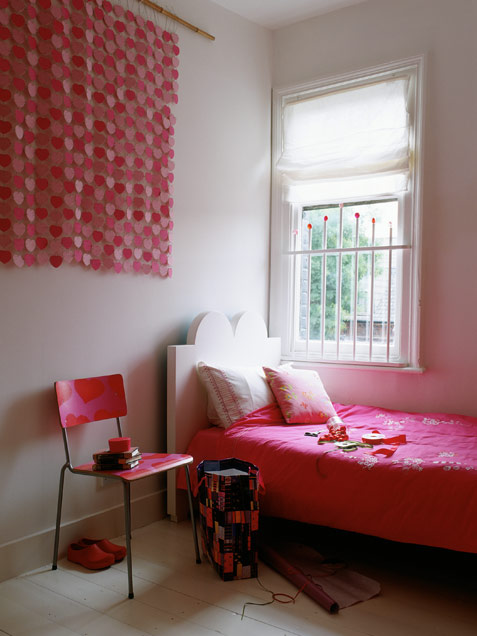
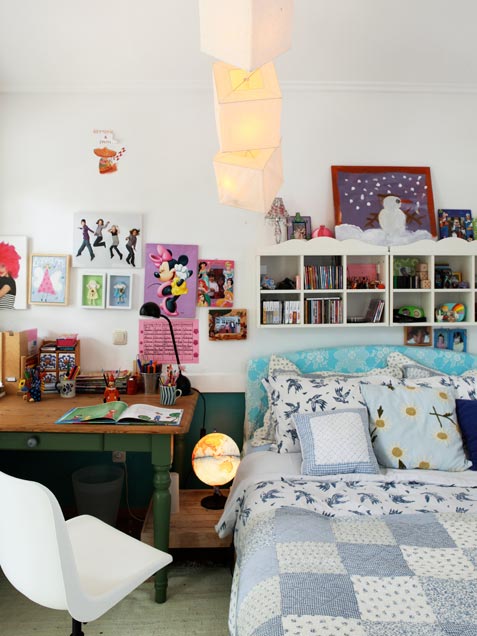
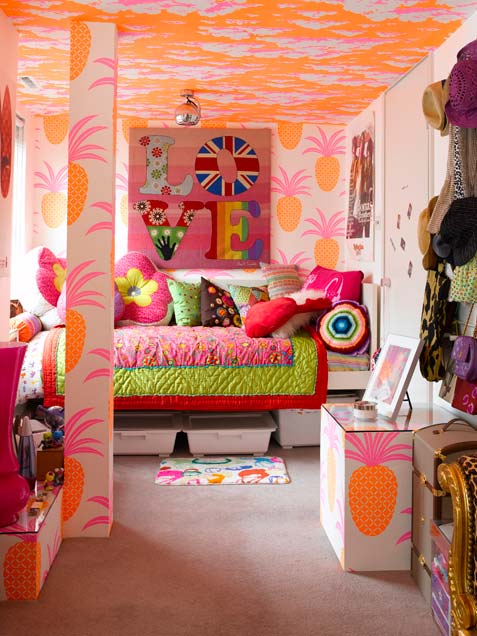
Once again we are going back to designing a kids room. This time we gathered a bunch of wonderful ideas to design a girls room. A lot of these rooms are pink because it’s the first color associated with girls. Although not all of them because we already have a collection of cool ideas for a pink girls bedrooms. There are blue, orange, violet, green and other girls rooms. They are in different styles including modern, traditional, country and other ones. Of course many of them showing quite large rooms and not every home have a large kids room but not all of them. Besides, even these rooms can provide you with some cool decorative ideas and color themes.
Girl Bedroom For A Daydreamer
Bright Pink Girl Room
Lighted Up Girl Bedroom
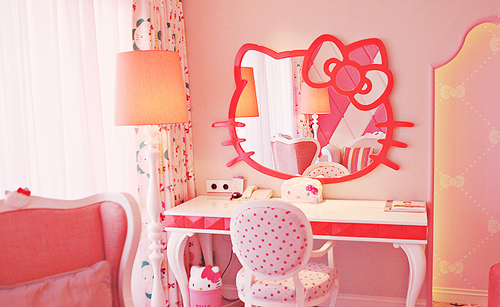
Hello Kitty Bedroom
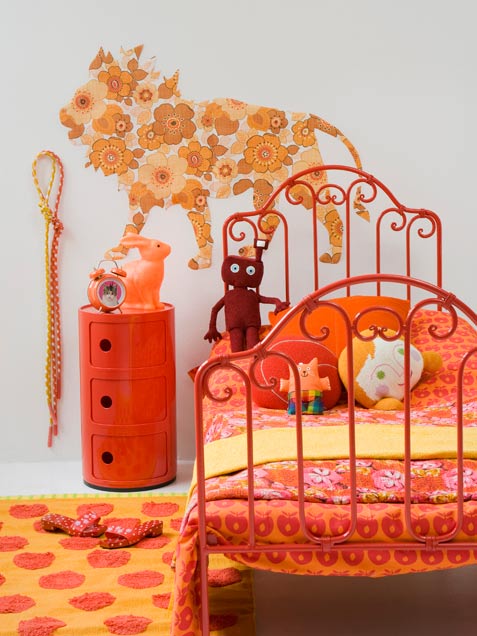
Bright Orange Girl Bedroom
Country Club Chic Room For A Little Girl
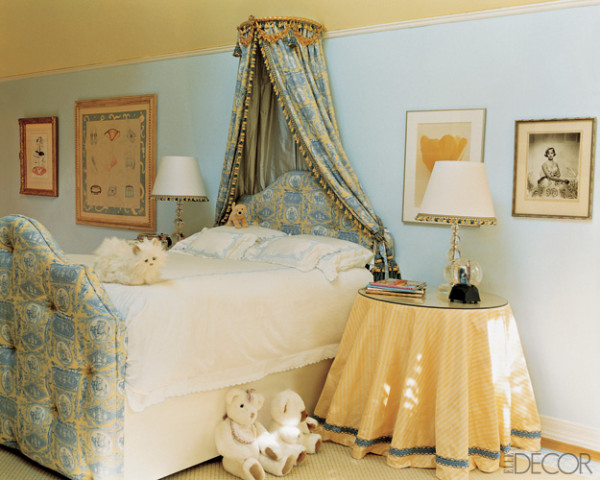
Cozy Girl Bedroom With An Upholstered Bed And Crown Canopy
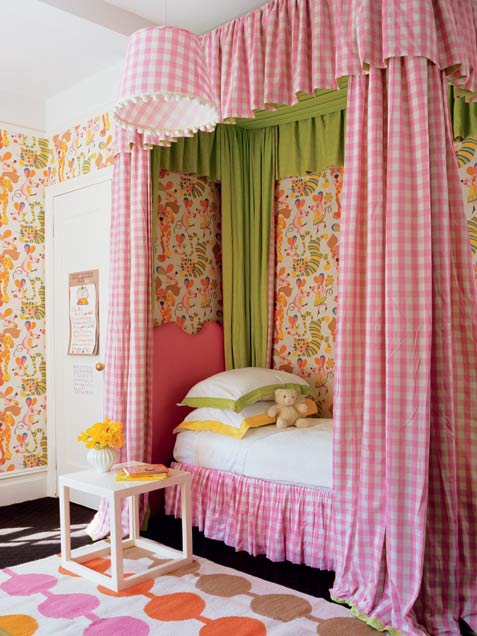
Cozy Girl Bedroom With High Canopy Draped Over A Bed
Cozy Girl Room With Rough Wood Walls
Cozy Neutral Pinky Little Girl Bedroom
Cute Blue Girl Bedroom
Fun And Modern Girl Bedroom
Girl Bedroom With A Cottage Bed
Girl Fairy Tale Bedroom
Cute Green Girl Bedroom
Girl Room Decorated With Hearts
Glamorous Girl Bedroom
Gorgeous Pink Bedroom
Gorgeous Rustic Girls Room
Cute Pink Girl Bedroom
Lovely Girl Beroom With Mixed Bedding
Gorgeous Classic Girl Bedroom With Contemporary Upholstery
Neutral Girl Bedroom With Pink Accents
Pink Two Girl Bedroom
Princess Like Room
Princess Castle In A Room
Purple Bedroom For A Girl
Simple Yet Playful Girl Room
Small Girls Room With A Canopy Over The Bed
Small Yet Cute Girl Bedroom
Teenage Girl Room
Tropical Girl Bedroom In A Mix Of Colors
Two Girls Bedroom Accented With Pottery Barn Kids Accessories
Read more: http://www.digsdigs.com/33-wonderful-girls-room-design-ideas/#ixzz205PqOKek


asd
Posted in: